How IP CCTV works
An IP camera converts video into digital data and sends it over a compatible network. Many systems record footage to an NVR, and some cameras support onboard storage. Certain wired IP cameras can use Power over Ethernet when supported by the camera and network equipment.
How analog CCTV works
Analog systems typically transmit camera signals over coaxial cabling to a compatible DVR. Existing cabling can make them a practical option when replacing an older surveillance setup.
Image quality and features
Both categories include models with different resolutions and night-vision capabilities. Features such as analytics, audio and remote access depend on the specific camera and recorder, not just whether the system is IP or analog.
Installation and expansion
Consider existing cables, network capacity, power availability and recorder channel limits. An IP system may offer flexible network-based expansion, but requires appropriate network configuration and security.
A practical compatibility checklist
Before adding cameras to an existing system, note the recorder’s exact model, supported camera types, channel count and recording resolutions. A matching connector or the same brand name alone is not proof of compatibility.
- Recorder: confirm supported video standards or network protocols and check any restrictions on mixed camera types.
- Power: compare the camera’s required supply with the adapter, switch or injector. An Ethernet port does not automatically mean PoE support.
- Cabling: confirm construction, conductor material, route and intended run length. Reusing an existing cable needs a condition and compatibility check.
- Recording: account for storage capacity, retention needs and the recorder’s supported settings for all connected cameras.
IP and analog CCTV: common questions
Can I connect an IP camera directly to any DVR?
Only if the recorder supports that type of IP input and the specific camera combination. Some recorders support hybrid arrangements, while others do not. Check the recorder documentation and the camera’s supported connection methods.
Does higher resolution always give a better result?
Resolution is one factor. Lens choice, viewing angle, subject distance, exposure and lighting also affect useful detail. Compare the view needed at the installation position rather than choosing only by a megapixel number.
Does remote viewing depend on choosing IP instead of analog?
Remote viewing can be available through compatible camera or recorder setups of either type. The equipment, app configuration and network connection determine what is supported.
Explore compatible equipment
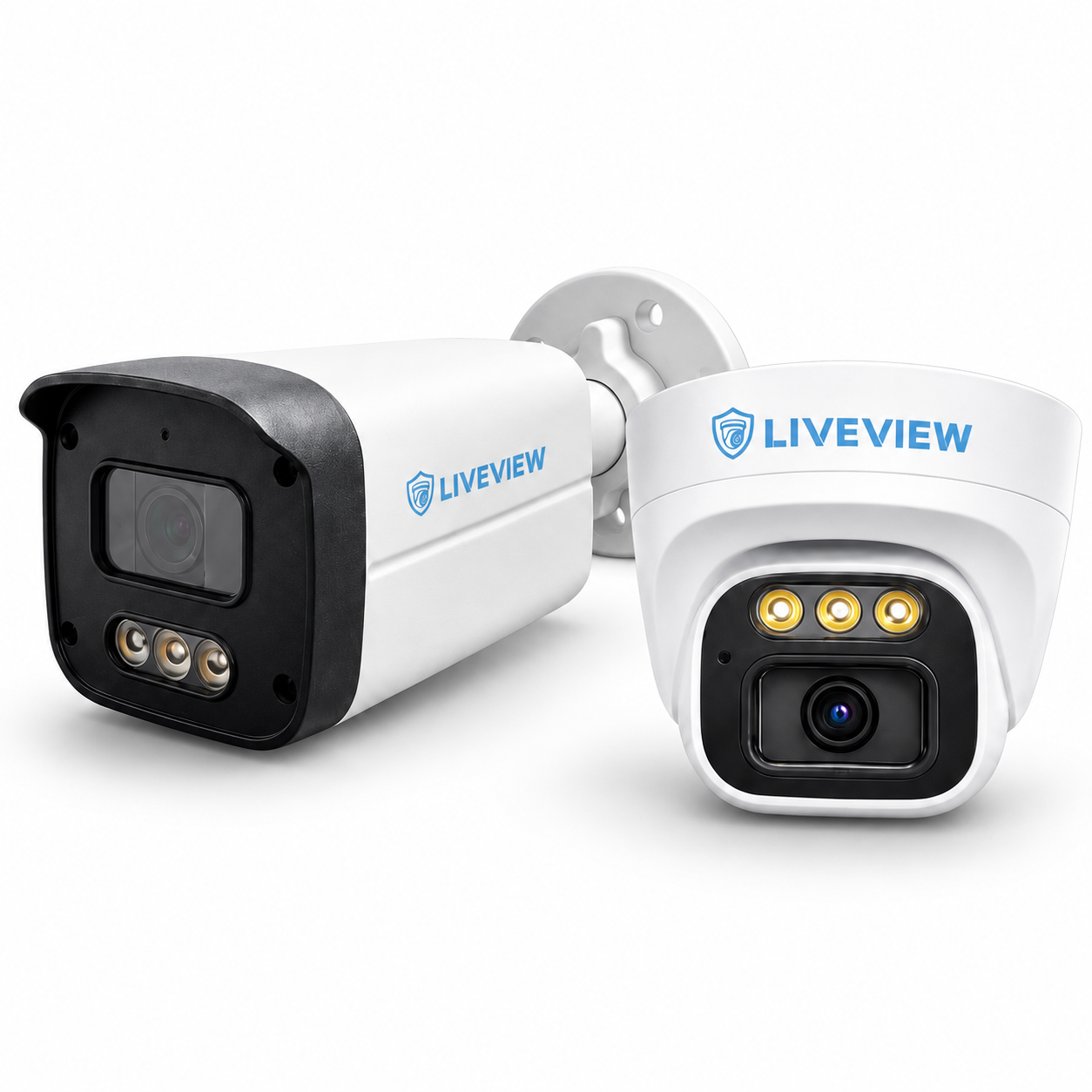
Compare our professional IP camera range and CCTV cables and accessories. Share your recorder model with LiveView before selecting components.
Which should you choose?
For a new installation, compare the total cost of cameras, recording, networking and installation. For an existing analog setup, assess whether compatible upgrades meet your needs before replacing everything.
Explore available LiveView surveillance products and confirm compatibility with your recorder.


3 thoughts on “IP CCTV Cameras vs Analog CCTV Cameras: Key Differences”